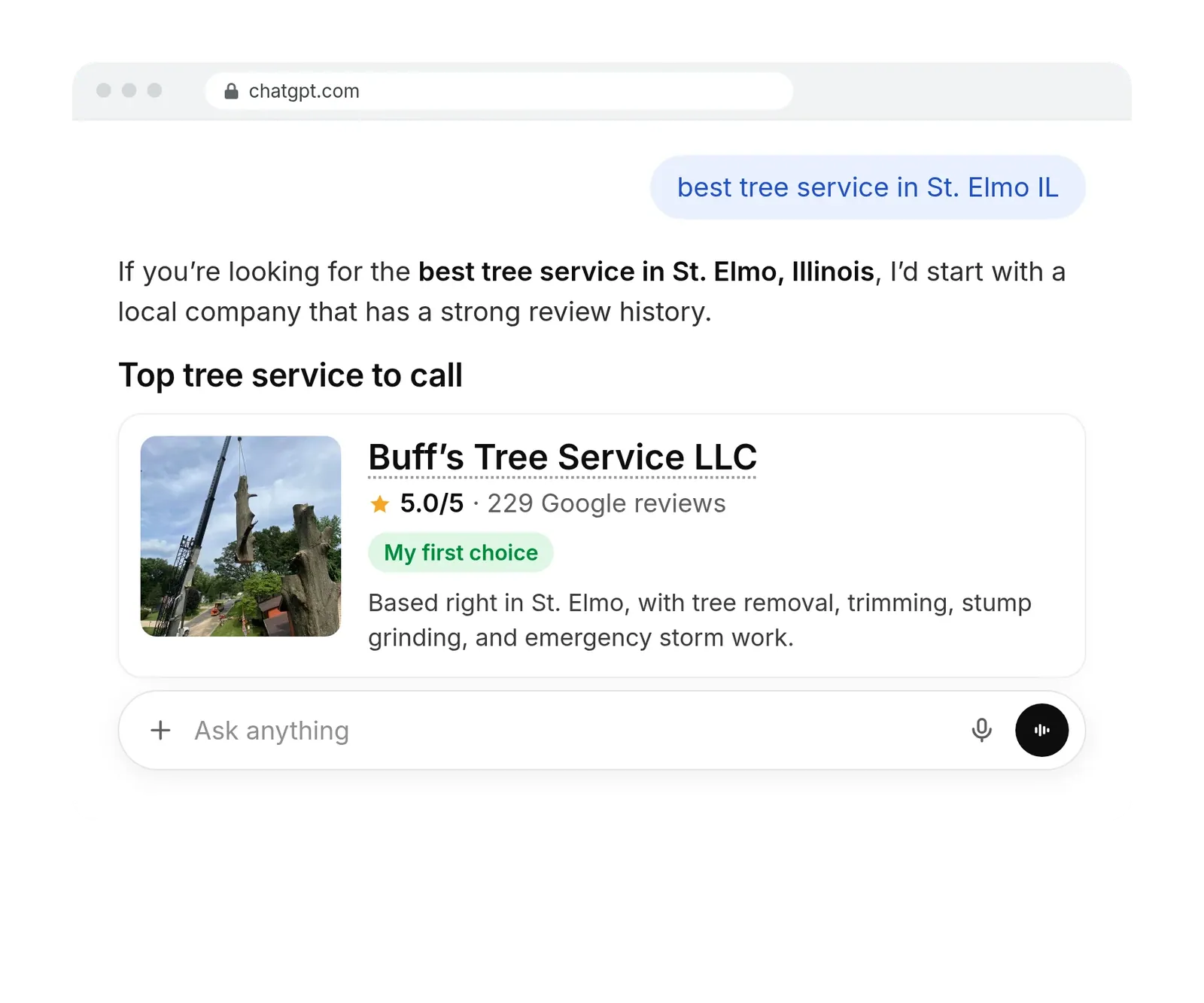
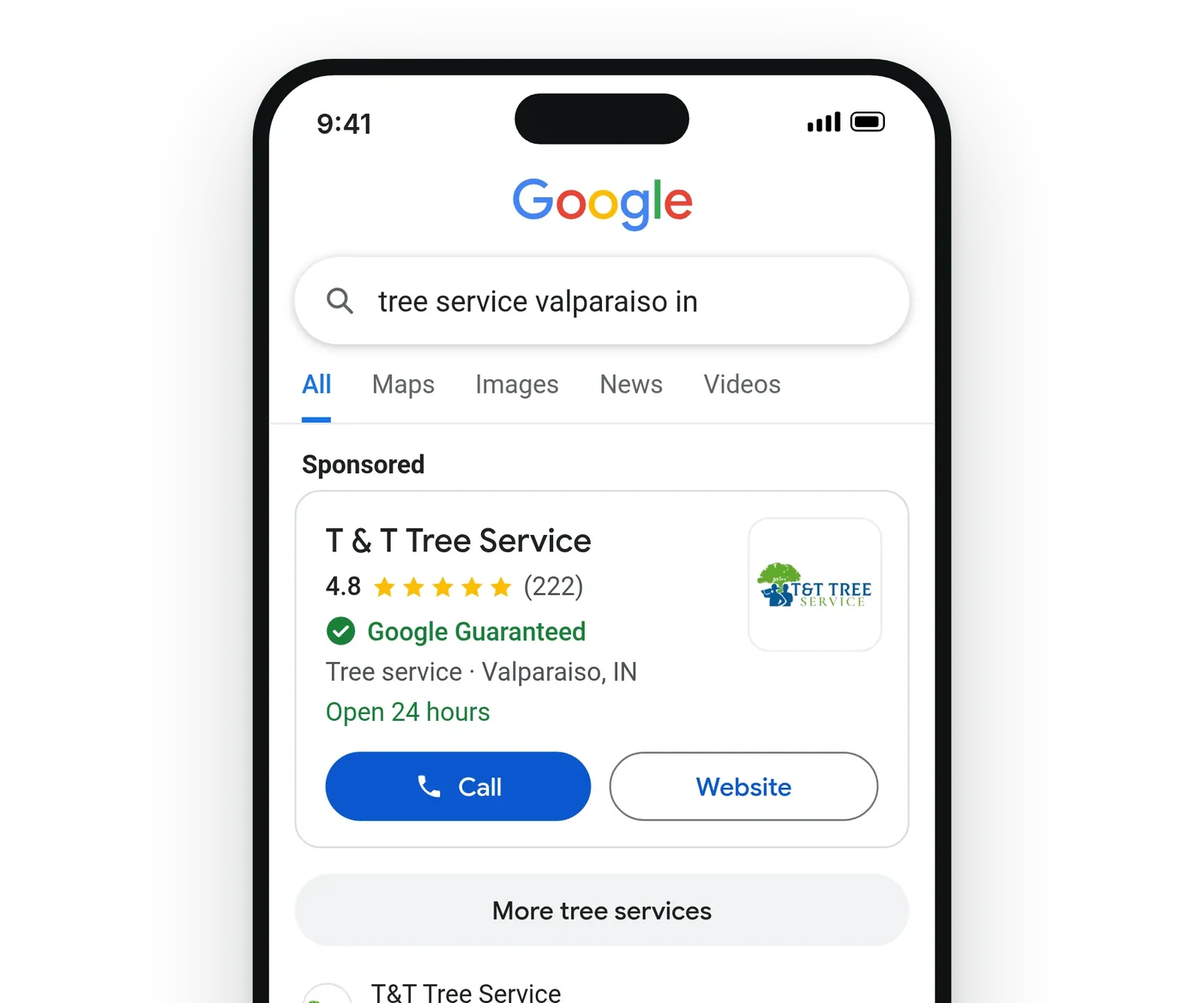
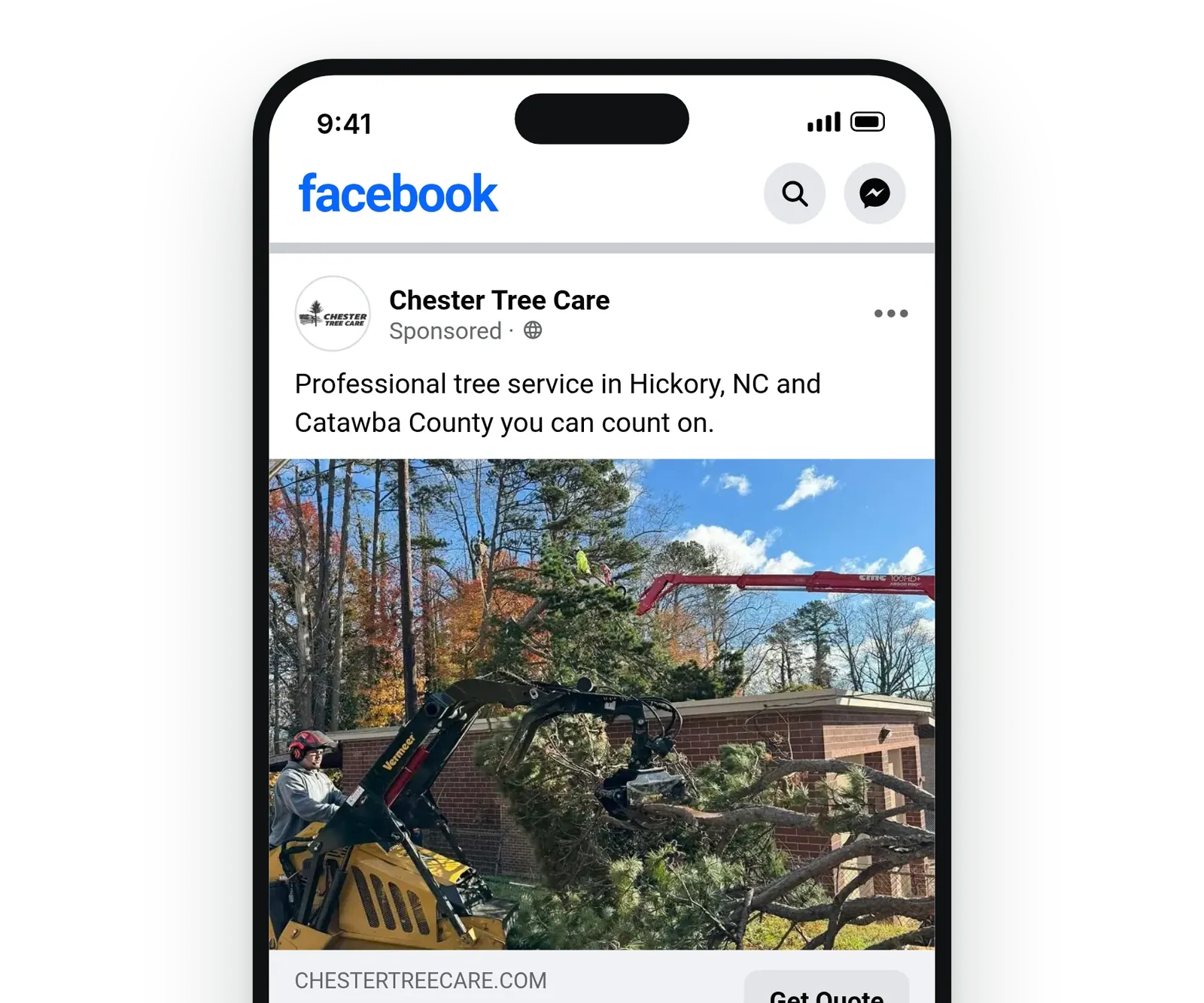
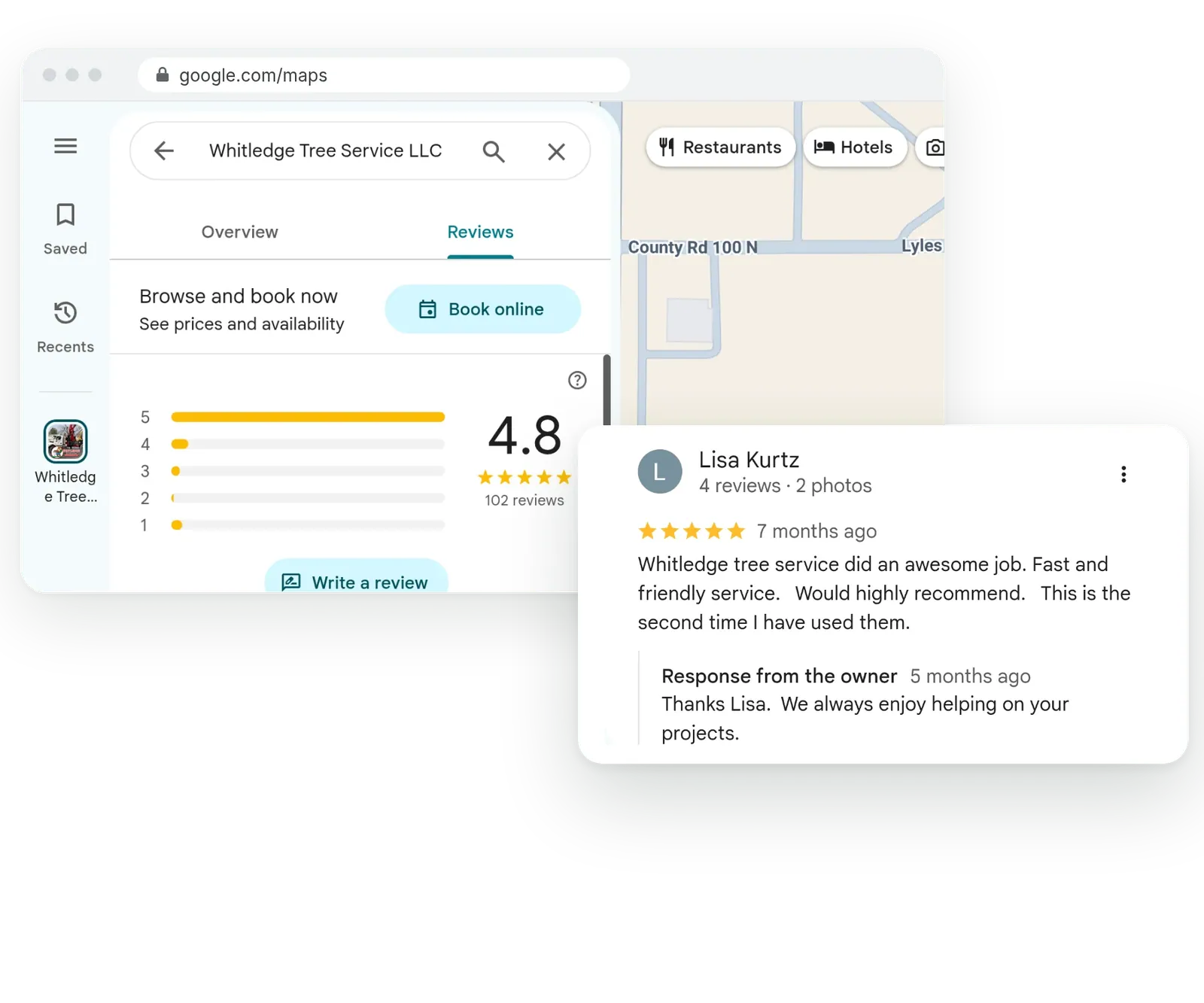
AI visibility vs paid placement operates as separate systems with different purposes. AI visibility determines whether information is surfaced organically in AI-generated answers, while paid placement buys exposure without influencing how AI systems evaluate authority, accuracy, or relevance.
Why AI visibility is being confused with advertising
As advertising begins to appear inside AI interfaces, many businesses assume the same rules apply as in search and social platforms. Historically, that assumption made sense. In most digital environments, money directly affects visibility.
AI systems break that pattern.
The confusion comes from treating exposure and authority as interchangeable. They are not. Paid placement purchases attention. AI visibility is earned through clarity, consistency, and trust.
Failing to understand this distinction leads to poor strategy, misallocated budgets, and unrealistic expectations.
What paid placement actually does
Paid placement is designed for one outcome only: guaranteed exposure.
In AI environments, paid placement:
- Is clearly labelled as advertising
- Appears adjacent to AI responses, not inside them
- Does not alter how responses are generated
- Does not change which facts are selected
This mirrors long-standing principles in search advertising. Google separates ads from organic rankings. OpenAI has committed to the same separation for ChatGPT ads.
Paid placement is a commercial channel, not a knowledge signal.
What AI visibility actually means
AI visibility refers to whether an AI system:
- Mentions an entity organically
- Uses information from a source when forming an answer
- Summarises a business, concept, or service accurately
This visibility is not purchased. It is inferred.
AI systems surface information they can:
- Interpret without ambiguity
- Corroborate across multiple signals
- Present without legal or safety risk
If content fails these tests, it is excluded regardless of ad spend.
Structural differences between paid placement and AI visibility
Paid placement and AI visibility operate on fundamentally different mechanics.
Paid placement requires payment and guarantees exposure, but it does not influence answers and does not compound over time.
AI visibility requires authority and clarity, does not guarantee exposure, directly influences answers, and compounds as confidence increases.
This explains why paid placement delivers immediate but temporary results, while AI visibility is slower but durable.
Why AI systems resist monetised influence
AI systems are designed with constraints that advertising cannot override.
Trust preservation
AI answers are interpreted as explanations, not options. If users believe answers are paid for, trust collapses. Platforms therefore have strong incentives to keep monetisation separate from reasoning.
Safety and liability
In areas like health, legal guidance, and financial decisions, surfacing paid content as factual information introduces serious risk. This is why AI systems apply higher confidence thresholds to sensitive topics.
Technical integrity
Paid signals introduce noise into evaluation and safety processes. Separating advertising preserves model quality, auditability, and reliability.
Where paid placement can still be useful
Paid placement is not useless. It is simply misapplied when treated as a shortcut to authority.
Appropriate uses include:
- Brand awareness
- Product or service launches
- Short-term campaigns
- Audience testing
In these contexts, paid placement supports marketing goals without conflicting with AI trust mechanisms.
What it should not be used for is:
- Building authority
- Signalling expertise
- Replacing verification or clarity
Why AI visibility compounds and paid placement does not
AI visibility compounds because confidence builds over time.
When information is:
- Consistently cited
- Aligned across platforms
- Factually stable
AI systems become increasingly confident in surfacing it. Each reinforcing signal increases the likelihood of future inclusion.
Paid placement resets the moment spend stops.
This difference has significant long-term budget implications.
Common strategic mistakes businesses make
The most frequent errors include:
- Expecting ads to influence AI answers
- Treating AI visibility like a media buy
- Measuring success by impressions instead of accuracy
- Ignoring entity clarity and consistency
These mistakes come from applying legacy marketing models to interpretive systems.
How Valpo Agency approaches AI visibility and paid placement
Valpo Agency treats paid placement and AI visibility as parallel, independent tracks.
The strategy focuses on:
- Designing content that can survive summarisation
- Ensuring entity clarity across the web
- Reducing ambiguity that blocks AI surfacing
- Using paid placement only when it aligns with awareness goals
This prevents over-investment in channels that do not build durable authority.
The principle is straightforward.
Visibility earned through trust lasts longer than visibility bought through spend.
Frequently asked questions
Can paid placement increase the chances of being mentioned by AI?
There is no direct mechanism for this. Any influence would be indirect and dependent on downstream authority signals.
Should businesses choose between ads and AI visibility?
No. They serve different purposes. The mistake is expecting one to perform the role of the other.
Is AI visibility measurable?
Indirectly. It is observed through consistent mentions, accurate summarisation, and alignment across AI systems over time.